


 (770) 703-6008



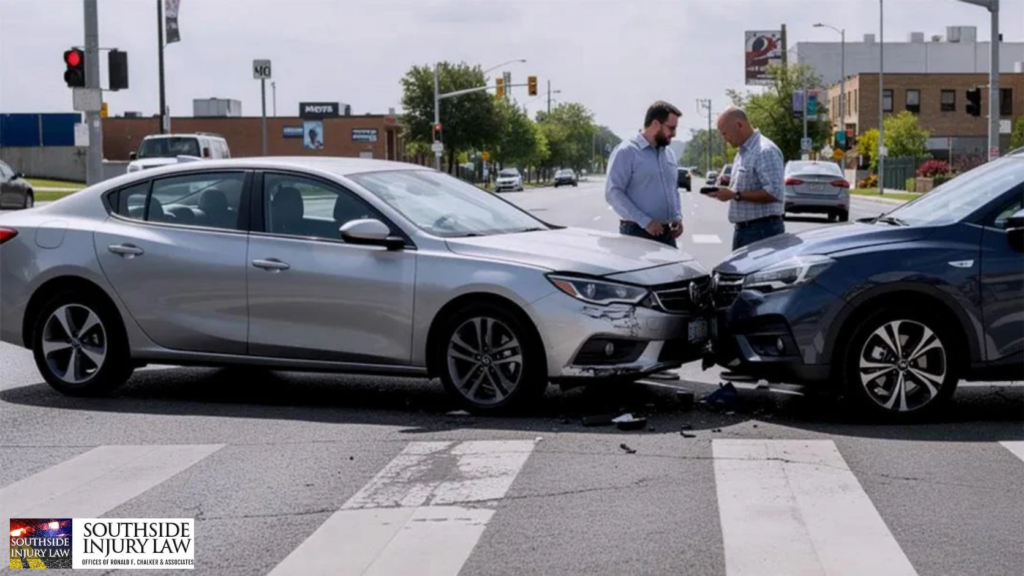
How to tell who is at fault in a car accident can be difficult when drivers give conflicting accounts. After a collision in Georgia, each person may remember events differently. Determining responsibility requires examining the evidence, road conditions, and the actions that led to the crash.
Neither driver’s account automatically establishes fault. Police reports, photographs, witness statements, and vehicle damage can help clarify what happened. Southside Injury Law Offices helps injured people understand their options after accidents and disputed insurance claims.
Evidence That Helps Establish Responsibility
When investigating who is at fault in a car accident, insurance companies and other investigators consider multiple sources rather than relying on one person’s statement. Physical evidence and independent observations can help reconstruct the collision.
Important evidence may include:
- Photographs: Vehicle damage, road markings, traffic signs, and skid marks.
- Witness statements: Independent accounts of the collision and events immediately beforehand.
- Police reports: Recorded observations, statements, and details about possible traffic violations.
- Video footage: Available dashcam, traffic camera, or nearby surveillance recordings.
- Vehicle inspections: Damage patterns that may help explain the collision.
- Medical records: Documentation of injuries and treatment following the crash.
Preserve relevant evidence promptly. Write down your recollection while the details remain fresh. Avoid guessing about events you cannot clearly remember. These details may help clarify disagreements during an insurance investigation.
Liability in Different Types of Car Accidents
The circumstances of a collision affect how responsibility is evaluated. Insurance adjusters investigate claims, while courts may resolve disputed liability when a lawsuit proceeds. Understanding the circumstances can help explain why different accidents require different evidence.
Accidents Involving Reversing Vehicles
Determining who is at fault in a car accident when backing up requires examining both drivers’ actions. A reversing driver may be responsible for failing to check the path. However, the other driver’s movements and ability to avoid impact may also matter.
Parking lot footage, witness statements, and vehicle damage can help establish what happened. Investigators may also examine whether either driver ignored traffic signs or failed to exercise reasonable care.
Collisions Involving Multiple Vehicles
When determining who is at fault in a multi-car accident, investigators examine the sequence of impacts, following distances, sudden stops, and each driver’s conduct. Several drivers may share responsibility.
One collision can trigger additional crashes, so investigators must determine each party’s contribution. Vehicle damage, witness accounts, and available recordings may help establish the order of events. Investigators should assess fault individually rather than automatically assigning it to the first or last vehicle.
Accidents Involving Self-Driving Vehicles
Determining who is at fault in a self-driving car accident may require examining automated driving technology. Investigators may review driver supervision, system operation, maintenance, and potential defects.
Depending on the circumstances, responsibility could fall on the driver, owner, manufacturer, or another party. Automated features do not automatically eliminate human responsibility. Technical records and vehicle data may help investigators understand how the system operated before the collision.
Steps to Take When Fault Is Disputed
Conflicting accounts do not automatically mean you lack a valid claim. Taking practical steps can help preserve evidence and protect your interests.
- Photograph vehicle damage and the surrounding scene when safe.
- Obtain the police report and retain insurance correspondence.
- Collect witness names and contact information when available.
- Seek medical attention and keep records of your treatment.
- Preserve relevant photographs, videos, and communications.
- Review settlement offers carefully before accepting them.
Avoid deleting potentially relevant messages or altering evidence. Keep records of conversations with insurers and note important dates.
If the insurer disputes your account or assigns you an unfair share of responsibility, consider seeking legal guidance before accepting a settlement.
Legal Support for Disputed Car Accident Claims
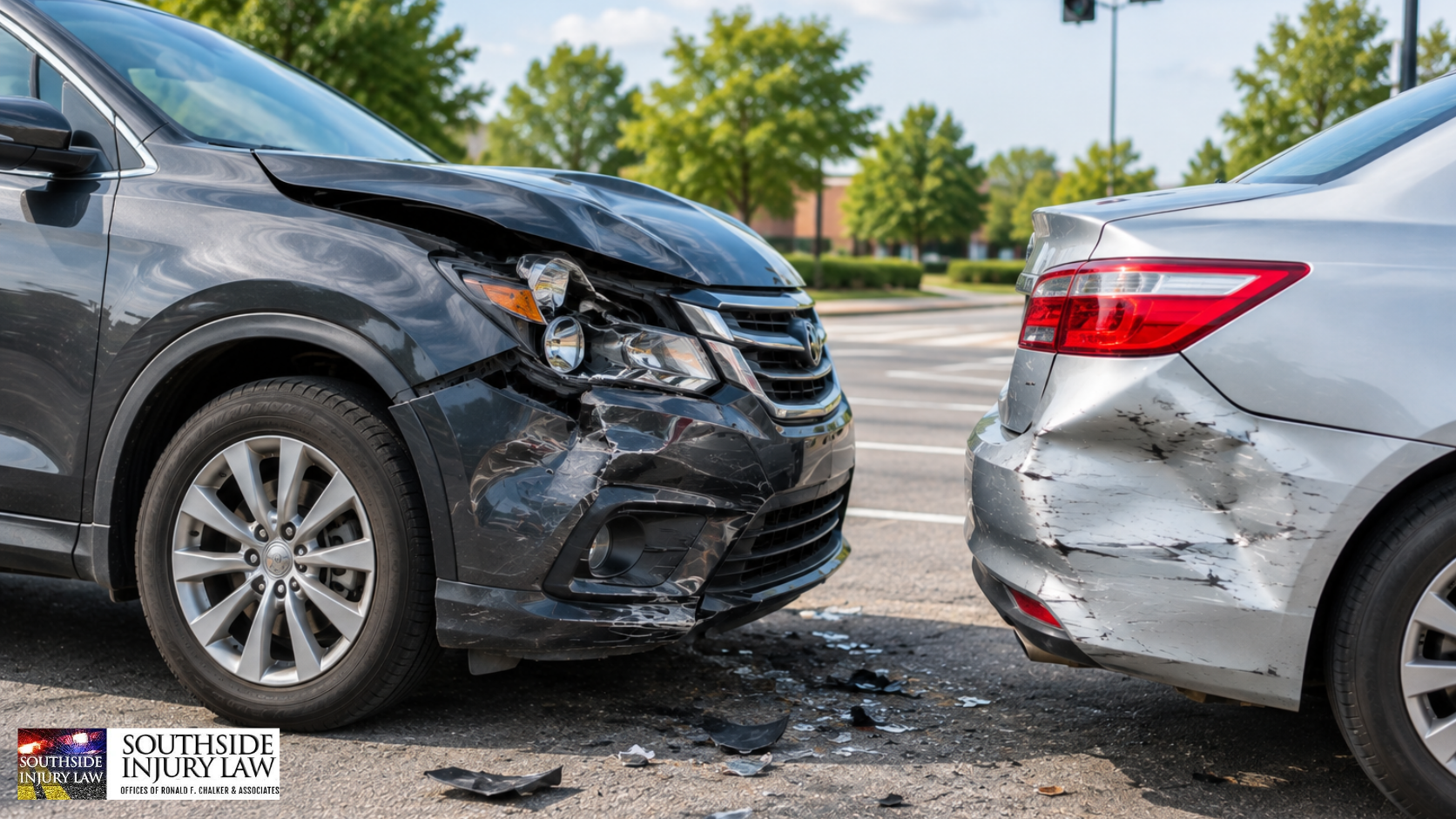
Understanding how to tell who is at fault in a car accident becomes harder when evidence conflicts, or an insurer disputes responsibility. Southside Injury Law Offices assists injured people with personal injury claims and insurance disputes.
The firm’s approach emphasizes investigation, negotiation, and guidance throughout the claims process. If you need help understanding your options after a collision, visit Southside Injury Law Offices. You can also call (770) 703-6008 or use the firm’s contact page to discuss your situation.
Frequently Asked Questions
Can the insurance company decide who caused my car accident?
Insurance adjusters assess fault when evaluating claims. You can dispute their conclusions, and courts may resolve liability disputes if a lawsuit proceeds.
Can I recover compensation if I was partly at fault in Georgia?
Possibly. Georgia generally bars recovery when an injured person is 50% or more responsible. A lower fault percentage may reduce compensation.
What should I do if the other driver lies about the accident?
Preserve photographs, witness details, available video footage, medical records, and the police report. Avoid speculation and consider legal guidance if the dispute affects your claim.