



 (770) 703-6008



Traumatic brain injury lawsuit cases in Georgia often arise after serious accidents that cause long-term physical, cognitive, and emotional harm. Victims may face overwhelming medical bills, lost income, and ongoing rehabilitation needs.
These cases require strong evidence and a clear understanding of liability under Georgia law. At Southside Injury Law, injured clients receive guidance through each stage of the claims process. Brain injuries are complex, and symptoms may worsen over time.
Knowing your legal rights early can make a significant difference in your recovery and financial stability after a serious accident.
What Compensation Is Available for Brain Injury Victims in Georgia
Recovering after a serious brain injury often involves significant financial pressure and long-term care needs. Understanding brain injury compensation Georgia helps victims identify what damages may be recoverable under state law.
Compensation may include medical expenses, rehabilitation costs, lost wages, and reduced future earning capacity. Non-economic damages may also cover pain, suffering, and emotional distress.
Every case depends on injury severity and available evidence. Strong documentation and medical testimony help establish the full scope of losses. Victims benefit from understanding how compensation is calculated early in the process.
How Brain Injury Claims Work in Georgia
Brain injury claims in Georgia often begin after accidents involving negligence. These injuries may result from crashes, falls, or unsafe property conditions. Symptoms like memory loss, dizziness, and cognitive decline may appear gradually.
Medical documentation is essential for linking the injury to the incident. Victims should seek immediate treatment and preserve all records. Attorneys often use expert evaluations and imaging results to support claims.
Georgia law allows injured individuals to pursue compensation when negligence causes harm, especially in severe trauma cases involving long-term impairment and disability.
What Impacts a TBI Settlement in Georgia Cases
A TBI settlement Georgia cases receive depends on several legal and medical factors. No two brain injury claims are valued the same. Settlement amounts are influenced by injury severity, long-term prognosis, insurance limits, and proof of negligence.
Cases involving permanent disability often result in higher compensation due to ongoing care needs. Attorneys frequently negotiate with insurance companies that attempt to minimize payouts.
Detailed medical records and expert testimony can significantly strengthen settlement negotiations. Understanding these factors helps victims set realistic expectations while pursuing fair compensation for their injuries.
Brain Injury Damages in Georgia Claims
Calculating traumatic brain injury damages requires evaluating both immediate and future losses. Economic damages include hospital bills, therapy, and lost income. Non-economic damages cover pain, emotional distress, and reduced quality of life.
Severe cases may require lifelong care or assistance. Attorneys often work with medical and financial experts to estimate future costs.
These evaluations help ensure victims pursue fair compensation that reflects the true impact of their injuries over time. Proper documentation strengthens the ability to recover full damages under Georgia law.
How Georgia Injury Claims Are Handled by Insurance Companies
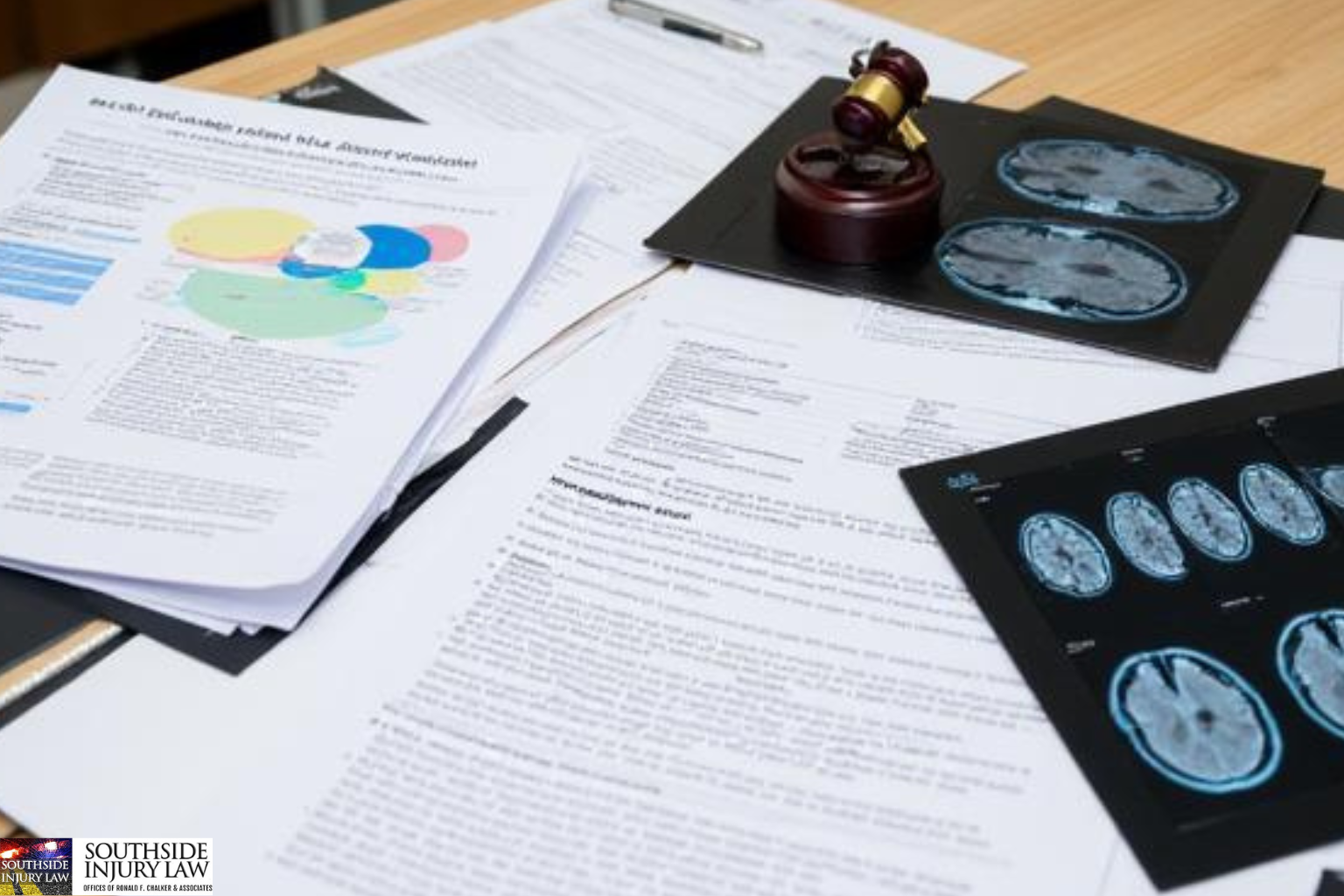
Many Georgia injury claims involve negotiations with insurance companies before reaching court. Insurers may attempt to reduce payouts or dispute the severity of the injury. Victims should be cautious when giving recorded statements or accepting early settlements.
Strong claims rely on timely evidence collection, including medical records and accident reports. Georgia law also imposes strict filing deadlines, making early action important. Legal guidance can help protect a victim’s rights and ensure compliance with procedural requirements while pursuing fair compensation for injuries caused by negligence.
Southside Injury Law Helps Victims Move Forward
After a serious brain injury, legal guidance can help victims focus on recovery while protecting their rights. The team at Southside Injury Law assists clients in evaluating evidence, negotiating with insurers, and pursuing compensation.
Their attorneys handle the legal burden so clients can focus on healing. If you are considering a traumatic brain injury lawsuit, taking early action may help preserve critical evidence and strengthen your claim. Call (770) 703-6008 or visit our contact page for support.
Frequently Asked Questions
What is the deadline to file a brain injury lawsuit in Georgia?
Most personal injury lawsuits in Georgia must be filed within two years. Certain exceptions may apply.
How much is a TBI settlement worth in Georgia?
Settlement values depend on injury severity, medical expenses, lost income, and available evidence.
Can I sue if brain injury symptoms appeared weeks after the accident?
Yes. Delayed symptoms are common with traumatic brain injuries. Medical documentation is often critical.