



 (770) 703-6008


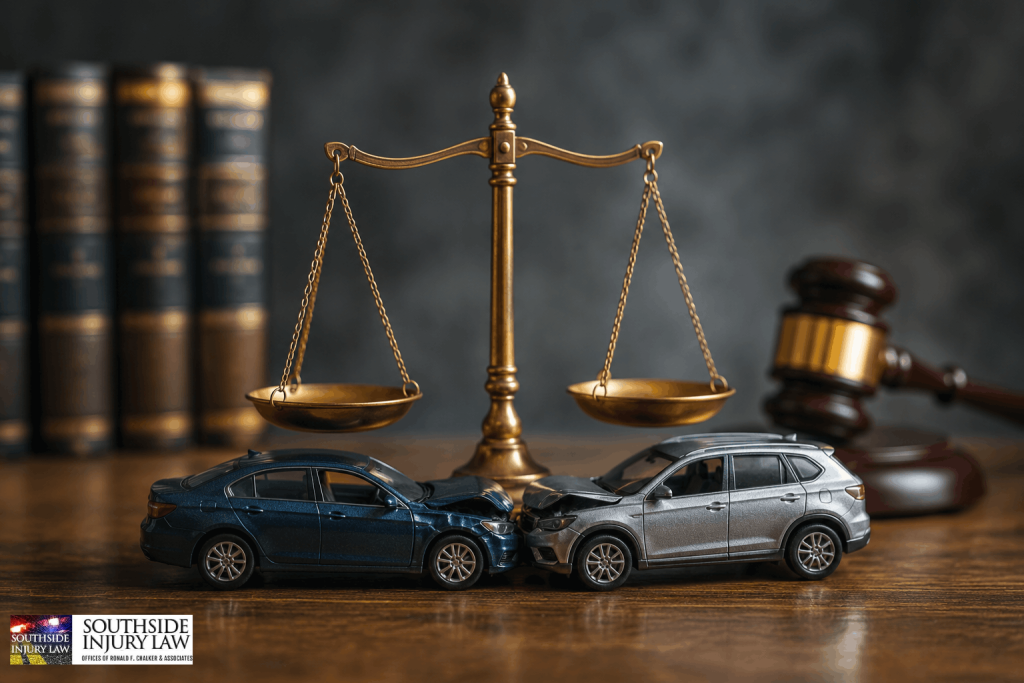
When Georgia comparative negligence law applies to a personal injury case, your compensation may decrease based on your share of fault.
Many accident victims feel confused after insurers assign blame during claims. Understanding how Georgia handles faults can help you protect your financial recovery after an injury.
Understanding Comparative Negligence In Georgia
Georgia follows modified comparative negligence rules. Injured victims may recover compensation despite shared fault, although insurers often reduce payouts by increasing assigned responsibility.
Many cases involve a shared fault accident Georgia situation after crashes at intersections or during lane changes.
Drivers may disagree about speed, traffic signals, or safe following distances. As a result, fault disputes often become central to settlement negotiations.
How Fault Percentages Affect Compensation
Georgia bars compensation when victims hold 50 percent fault. Evidence, witness statements, and reports determine percentages, reducing compensation according to each victim’s assigned responsibility. Insurance companies often challenge claims aggressively during settlement negotiations.
| Victim’s Fault Percentage | Can They Recover Compensation? | Compensation Reduction |
| 0% | Yes | No reduction |
| 10% | Yes | Reduced by 10% |
| 25% | Yes | Reduced by 25% |
| 49% | Yes | Reduced by 49% |
| 50% or More | No | Compensation barred |
A partial fault accident claim Georgia case can become complicated when insurers exaggerate a victim’s responsibility.
Insurance adjusters sometimes pressure victims into accepting lower settlements quickly. Therefore, strong legal representation often becomes important during negotiations.
Several accidents involve shared responsibility in Georgia injury claims. Rear-end and multi-vehicle crashes often create disputes regarding driver actions and liability.
Slip and fall cases may involve disagreements about warning signs, unsafe behavior, or hazardous property conditions that existed before the injury occurred.
The Georgia negligence rule also applies to pedestrian accidents and motorcycle crashes. Drivers may fail to yield while pedestrians cross improperly outside designated walkways. In motorcycle cases, insurers sometimes unfairly stereotype riders as reckless.
Evidence That Helps Reduce Fault Allegations
Strong evidence helps challenge unfair blame after accidents. Photos, witness statements, medical records, and consistent treatment help prove injuries and strengthen compensation claims.
Experienced attorneys also work with investigators and experts to challenge inaccurate claims. Establishing timelines and reconstructing accident scenes can improve case outcomes significantly.
Careful preparation may reduce disputed accident liability Georgia arguments during settlement discussions.
Why Insurance Companies Focus On Fault
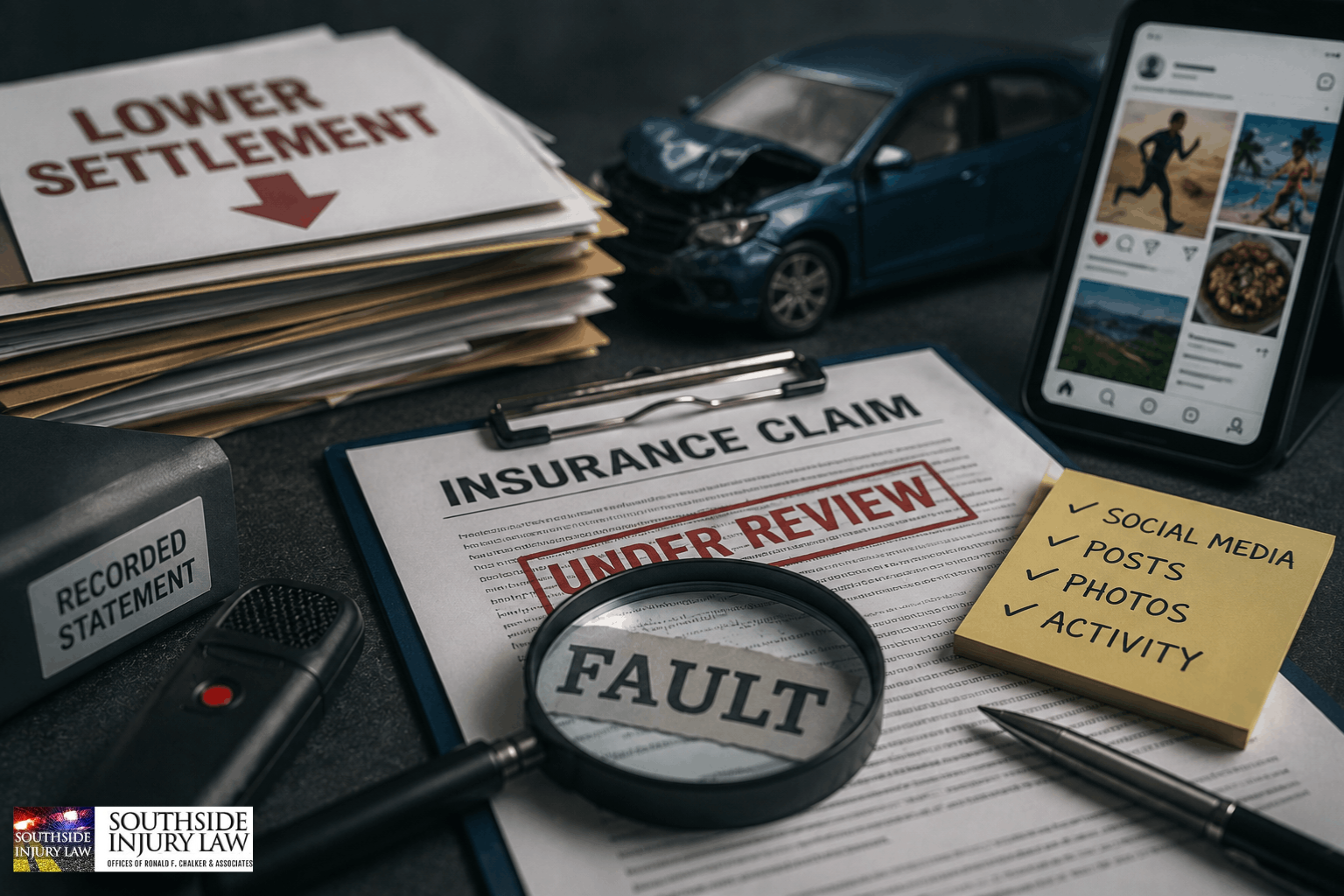
Insurance companies aim to limit payouts whenever possible after personal injury accidents. Comparative negligence laws create opportunities for insurers to lower settlement amounts. Even small fault percentages can reduce compensation substantially.
Adjusters often ask leading questions during recorded statements. Innocent comments may later appear as admissions of responsibility. Therefore, injured victims should remain cautious when discussing accidents with insurance representatives.
Social media activity may also affect personal injury claims. Insurers sometimes review online posts to challenge injury severity or credibility. This strategy may influence a fault percentage injury claim Georgia disputes when compensation negotiations become contested.
Important Steps After A Georgia Accident
Acting quickly after an accident can protect your legal rights and strengthen your claim. Seek medical attention immediately and keep organized records of expenses, injuries, and missed work.
Avoid discussing fault at the scene, and consider early legal guidance to prevent mistakes during insurance communications. Early legal support may also help preserve evidence, protect your statements, and improve your ability to pursue fair financial compensation successfully.
Protect Your Financial Recovery After An Accident
Southside Injury Law helps Georgia injury victims understand fault rules, protect their rights, and pursue fair compensation after accidents involving disputed liability and insurance challenges.
Contact our team through our contact us page or call (770) 703-6008 to discuss your case. Knowing how Georgia comparative negligence law affects compensation may help you make informed decisions after an injury.
Frequently Asked Questions
What is Georgia comparative negligence law?
Georgia comparative negligence law allows injury victims to recover compensation if they are less than 50 percent responsible for an accident. Compensation decreases according to the victim’s percentage of fault.
Can I recover damages if I was partially at fault?
Yes. Georgia follows a modified comparative negligence system. You may still recover damages if your fault remains below 50 percent.
How do insurance companies determine fault?
Insurance companies review police reports, witness statements, medical records, photos, video evidence, and accident reconstruction findings when assigning fault percentages.
What happens if I am 50 percent at fault in Georgia?
Georgia law bars recovery when a victim is 50 percent or more responsible for the accident.
Why should I avoid discussing fault after an accident?
Statements made at the scene or during insurance calls may later be used against you. Even casual comments can affect settlement negotiations and compensation amounts.